
2026-09-14 · Jhonatan Matias
Validating an idea in one week: the method
How to differentiate between an idea that the market actually wants and one that just sounds good, using real interviews, a risk map, and a clickable prototype – all within five days.
Published on September 14, 2026. The figures and references pertain to that edition; the current scope is defined in the proposal.
Most business ideas don't fail because they're poorly executed; they fail because people don't test them thoroughly before investing months in building them. The one-week validation method is based on two traditions that have been proven for over a decade: Steve Blank’s customer development and Eric Ries’ “Lean Startup” build-measure-learn cycle. The method we use at Ditap Ventures compresses both of these into five days of work, resulting in a concrete deliverable at the end.
Why a week and not a month.
A month of validation often turns into a month of building, because it’s tempting to start coding while still “researching.” A week requires a quick decision: focusing on what can be learned without writing code – conducting interviews, creating a clickable prototype in a design tool, and nothing more.
The three risks being mapped.
Not all ideas fail for the same reason. We’ve categorized risk into three categories, following the framework popularized by Marty Cagan in “Inspired”:
| Risk | What question does this answer? | How is it tested this week. |
|---|---|---|
| From the market | Is there enough people experiencing this problem and willing to pay? | Interviews with 8 to 12 actual, real potential clients. |
| Of product | Does the solution we envisioned truly solve the problem? | Clickable prototype shown in the same interview. |
| Based on revenue model | Would anyone be willing to pay enough to keep the business going? | Direct question about price, without offering polite, averaged responses. |
The third risk is the one that most founders avoid asking about, and the one that most quickly causes an idea that initially seemed solid in the first two stages to fail.
How to plan the week, day by day.
- Day 1, start/beginning. Ninety minutes to grasp the concept, identify the intended client, and determine what has already been tested. From that, a list of people to interview will emerge.
- Days 2 and 3: Interviews. Conversations lasting 20 to 30 minutes, recorded with permission, focused on how the interviewee is currently addressing the problem, rather than whether “they like the idea.”
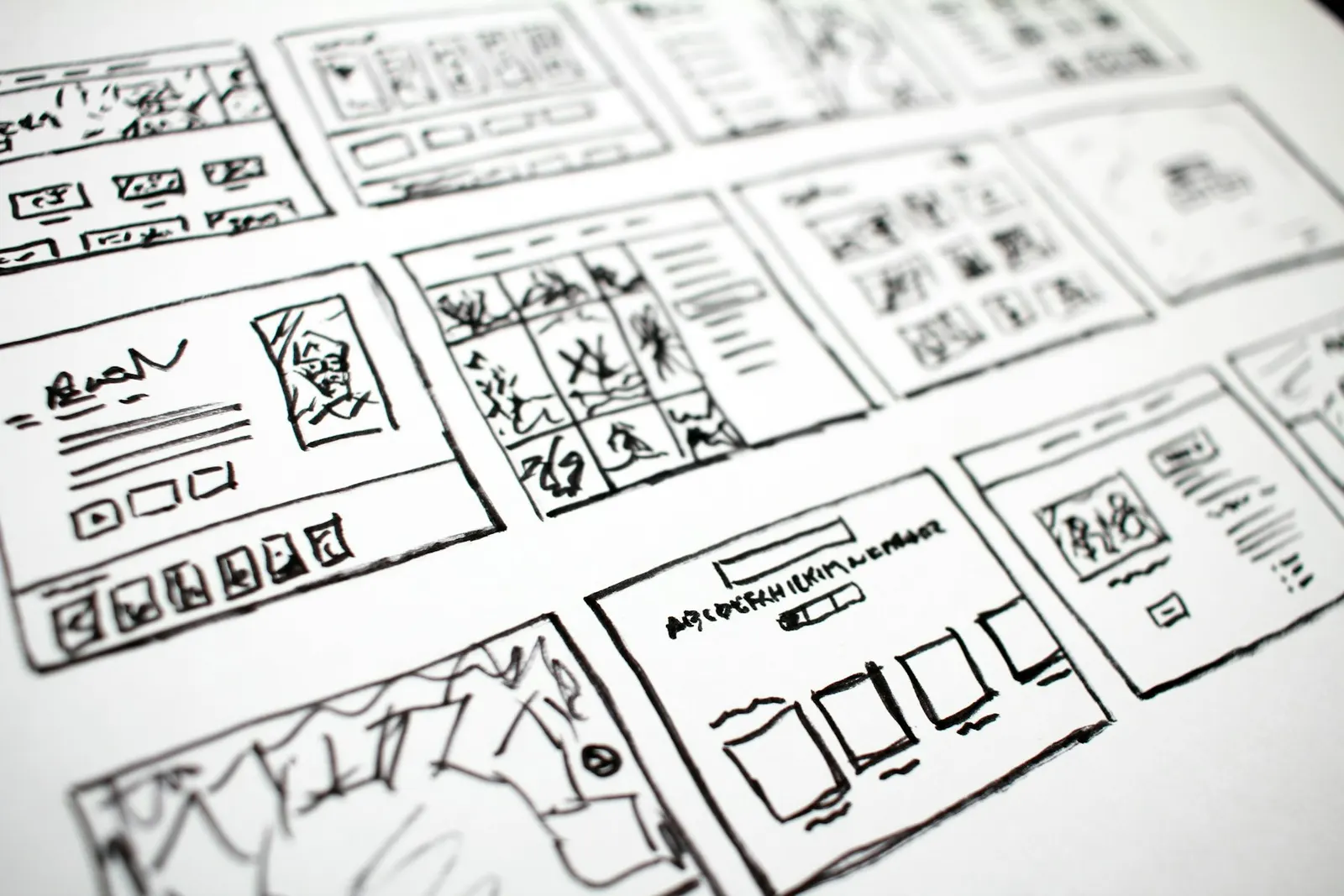
- Days 3 and 4, prototype. Alongside the most recent interviews, a clickable prototype (without a backend) is being developed, which can be shown to the most recently interviewed candidates to get direct feedback.
- Day 5, report. The complete risk map recommends: to follow the MVP, adjust the focus, or to stop investing in development before proceeding.
What makes an interview effective?
The most common trap is asking questions designed to elicit a positive response (“Would you like to try something like this?”) instead of focusing on past behavior (“What did you do the last time you had this problem?”). Rob Fitzpatrick documented this distinction in “The Mom Test”: if a question can be answered to appear agreeable, it’s not useful for making any decisions.
A genuine and affordable sign of a real commitment: requesting a specific action at the end of the interview, such as signing up for a waiting list with their actual email address, or agreeing to a follow-up call with a scheduled date. Those who don’t take that step are likely not going to pay either.
What’s up with the result? / What about the result?
Out of every ten validation sessions we conduct, approximately six conclude by recommending to stick with the original MVP, either as is or with a minor adjustment. Two recommend a more significant shift in direction before building, and two ultimately result in the recommendation to stop altogether. It’s the latter group that most appreciates having invested a week instead of six months.
If the outcome is to continue, the next logical step is the… MVP in six weeksWith the scope already defined based on what you learned during the validation process. The cost of the session will be deducted from that project if you decide to continue.
What needs to be done before starting the week.
The method yields little results if you begin with nothing. It’s beneficial to start with a minimum of three key elements: a one-sentence hypothesis about the target client, a preliminary list of at least twenty people or companies that align with that hypothesis (even if half don’t respond), and a genuine willingness to accept negative feedback. Without this starting point, the first two days of the week will be spent simply trying to make contacts, rather than actually speaking with them, and the method loses half of its effectiveness.
A typical case
A founder arrived with an idea for software addressing a problem they observed daily in their field. It became clear during the initial meeting that they hadn’t discussed the issue with anyone outside their immediate circle. Over the course of a week, with twelve scheduled interviews, eight were completed; of those, five strongly confirmed the problem, two minimized it, and one didn’t recognize it as a genuine issue. The prototype, presented in the last four conversations, elicited specific feedback on what was missing and what needed to be adjusted. The final report didn’t simply say “do it”; instead, it detailed which aspects of the original idea had been validated, what needed to be refined, and the reasons why.
The question that almost no one asks before starting.
Before scheduling the first interview, it’s worthwhile to consider a simpler question: what would be the response that would cause you to abandon the idea? If there’s no possible answer that would make you stop, then the validation isn’t an investigation; it’s simply a formality. The method only works if you are genuinely willing to accept a “no.”